If I have HIV, my baby will contract HIV. True or false?
This is an answer that is neither true or false, but instead depends on the individual situation of each mother. Pregnant women with HIV can take medications to treat their infection and to protect their babies against the virus. Infected mothers can indeed pass HIV to their babies during pregnancy or delivery or through breast milk. But you can lower the risk of transmission to your baby to less than two per cent by working with your doctor and getting the appropriate care and medication.
If you and your partner have HIV, you can have unprotected sex. True or false?
False. Just because you and your partner both have HIV, doesn't mean you should forget about protection when you have sex. Using a condom or other latex barrier can help protect you from other sexually transmitted diseases as well as other strains of HIV, which may be resistant to anti-HIV medication. Even if you are being treated and feel well you can still infect others.
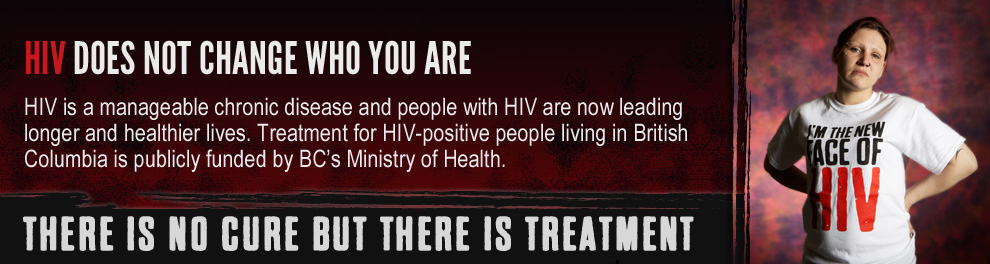
HIV is a death sentence. True or false?
False. There is no cure for HIV, but treatment can keep virus levels low and help maintain your immune system. Your doctor will consider your general health, the health of your immune system, and the amount of virus in your body to decide when to start treatment. Everyone with HIV experiences it differently. Some people may develop AIDS within a few months as the virus quickly weakens their immune system. Many others can live for decades with HIV by regularly taking medications. You can help prevent HIV from progressing to AIDS by seeing your doctor regularly and following your doctor's recommendations.
Can anyone get HIV. Yes or no?
Yes, HIV does not discriminate. It can affect men, women, and children; gay and straight people; and people of all races.
You can't get HIV from casual contact. True or false?
True, you cannot catch or spread HIV from hugging someone, using the same towel, or sharing the same glass. It's very rare to get HIV from a blood transfusion.
Only certain people need to get tested for HIV. True or false?
False. In BC, it is recommended that an HIV test is offered:
- Every year, to all patients between 18-70 years of age who have a higher risk of HIV (for example, those who use IV drugs or have unprotected sex)
- Every 5 years, to all patients 18-70 years of age
- Once for patients over the age of 70
- In addition, an HIV test should be offered to everyone whenever:
- They are having bloodwork done for a new or worsening illness
- They show symptoms of an HIV infection
- They identify a risk for contracting an infection
- They request an HIV test
- They are pregnant
- They are being tested, or have received a positive result, for an STI like Hep C, Hep B or TB