
Overdose emergency
In April 2016, British Columbia declared a public health emergency in response to a significant increase in overdose deaths, escalating from 200 annually in 2010 to over 2,500 in 2023. Please refer to the Unregulated Drug Poisoning Emergency dashboard for further information.
This increase is driven by the potent synthetic opioid fentanyl, stigma towards people who use substances and the unpredictability of the unregulated drug supply.
Overdose Prevention Sites (OPS)
Overdose Prevention Sites (OPS) are welcoming locations where people can use substances under the supervision of trained staff. These staff members monitor for signs of possible drug poisoning and provide immediate intervention if necessary. Click here to find an OPS near you.
Wildfires/extreme weather and substance use
- Emergency evacuee guidance for the public - Province of British Columbia
- Extreme cold resource (PDF) - Toward the Heart
- Getting prescriptions and carries during extreme weather (PDF) - Toward the Heart
- Prepare for an extreme heat event: A guide for people who use substances (PDF) - Toward the Heart
- Prepare an extreme heat kit (PDF) - Toward the Heart
- Stay safe during extreme heat events (PDF) - Toward the Heart
- Using substances during extreme heat (PDF) - Toward the Heart
Additional overdose prevention services available
- Addiction treatment
- Drug checking
- Opioid Agonist Treatment (OAT)
- Supports for families and loved ones
- Take home Naloxone
- Youth services
News and data
BC’s temporary decriminalization pilot ends January 31, 2026. Starting February 1, possession of illicit substances will again be illegal, except at sites with legal exemptions.
What this means for people who use substances:
- Overdose Prevention Sites, Supervised Consumption Sites, and drug-checking services remain open.
- Harm-reduction and overdose prevention services continue.
- Northern Health’s approach does not change - substance use is treated as a health issue, with a focus on safety, dignity, and compassion.
Learn more about the provincial update on BC Gov News.
More information
- BC coroners reports (see drugs section)
- Northern Health overdose prevention and response: Regional update (January 2022)
- Previous update (May 2021)
- Overdoses in Northern BC (Updated: February 9, 2022)
- Overdoses in all of BC
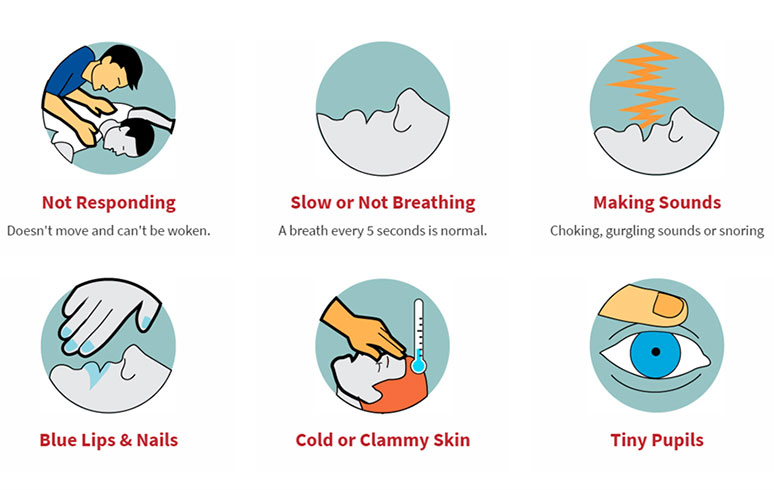
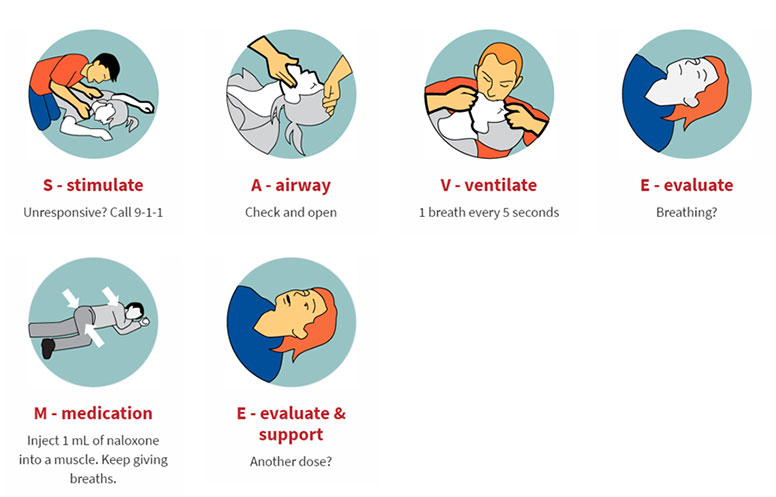
Recognize and respond to an overdose
Services
Safer substance use
Follow these tips to reduce your risk of overdose:
- Don't use alone
- Start with a small amount
- Mixing substances, including alcohol, increases risk of overdose
- Use where help is easily available (e.g. around other people)
- Use less. If you took a break, were in detox/treatment or jail, or are new to use, your tolerance is lower
- If you have ever experienced an overdose, this may increase your risk to overdose again
- Make a plan/know how to respond in case of an overdose
- Get the Lifeguard app (BC Govt)
Information for health professionals
Health professionals and service providers have a vital role in overdose prevention and response. This area contains links to trusted resources and information to help those working to save lives and reduce harms.
- BCCSU training opportunities - BC Centre on Substance Use
- NH stigma reduction modules - Northern Health Learning Hub
- Information for professionals - Toward the Heart
Stigma reduction
- Stop Stigma, Save Lives Campaign - Northern Health
- Combatting Stigma across BC - BC Govt
Information from other organizations
- Overdose prevention and harm reduction: Get informed - FNHA
- Harm reduction services - BCCDC
- BC Centre on substance use - BCCSU
- Overdose prevention and response in BC - BC Govt
- Stop overdose - BC Govt
Peer support resources
The involvement of people with lived or living experience of drug use (peers) is a critical component of effective overdose prevention work. A network has been established to support connection between peers in the North, and to enable engagement with health care service providers. For more information, please contact Peer.Network@northernhealth.ca